
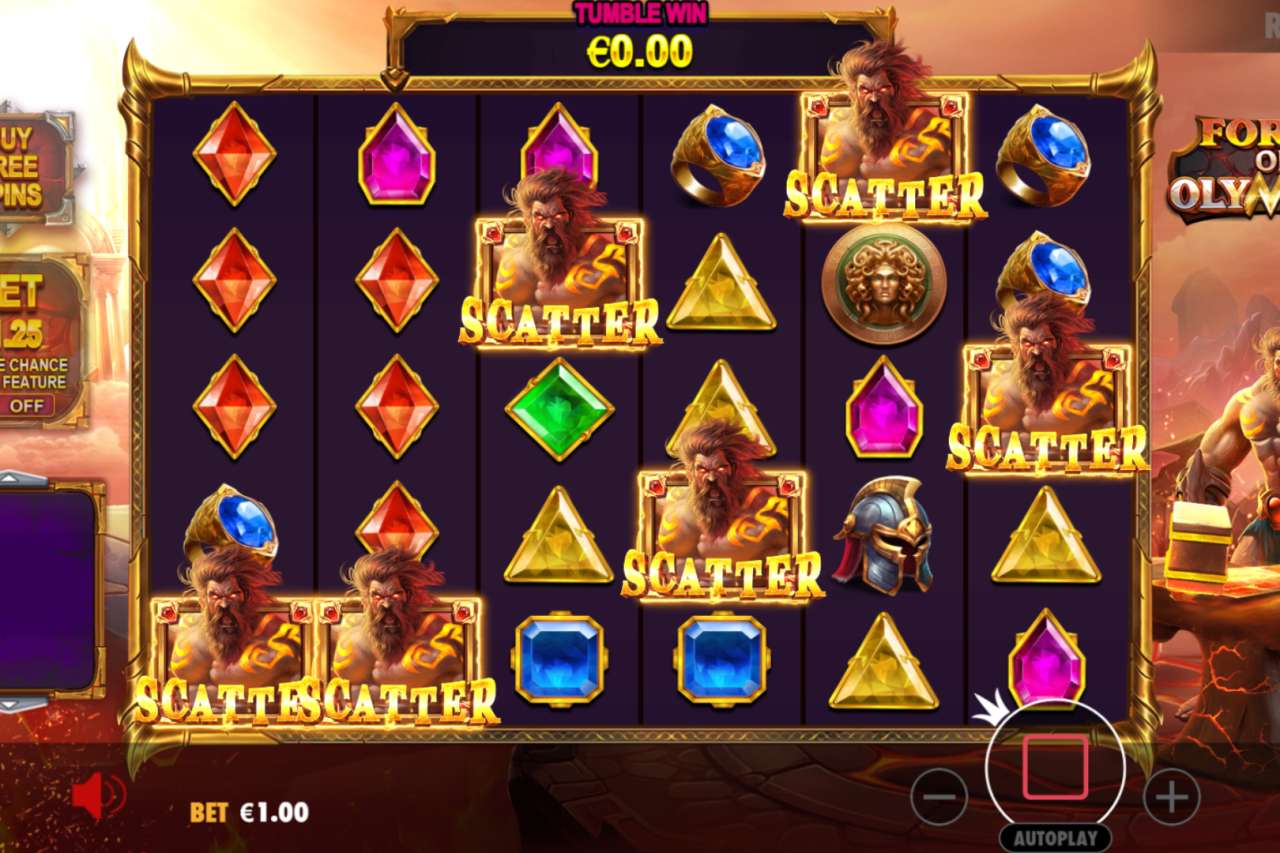
Graphics might catch your eye first in an online slot, but sound is what builds the world. It supplies the sensation, the texture, the soul. Exclusive Forge Of Olympus, a game steeped in the myths of ancient Greece, succeeds here. Its audio isn’t just background noise. It’s a vital piece of the experience, crafted to pull you in from the moment you hit spin. Every sound has a purpose. The heavy clang of a hammer on an anvil doesn’t just happen; it strikes with weight. The deep rumble of a god’s power reverberates through the session. A swell of orchestra music signals a triumph. This careful sound design integrates with the game’s graphics and features. It forges a complete portal to a workshop high on Olympus, a place of divine craft and potential riches. For the player, it means your ears are just as engaged as your eyes. The magic here is crafted from what you see and what you hear.
Mục lục
- Technical Excellence: Integration and Player Control
- Setting a Innovative Benchmark for Slot Audio
- Immersive Audio and Spatial Techniques
- The Science of Audio: Building Expectation and Gratification
- Adaptive Sound: Adapting to the Game State
- The Foley of the Forge: True-to-Life Sound Effects
- Crafting the Atmosphere: Music and Atmospheric Layers
- Contrast and Silence
- The Symphony of the Gods: A Sound Philosophy
Technical Excellence: Integration and Player Control
The artistry of the audio is one thing, but it needs perfect technical implementation to work. Forge of Olympus offers. All audio is fine-tuned to stream without issues or interruptions, so nothing breaks your immersion. The code tightly syncs sound with graphics, so a hammer’s visual impact matches its audio ring exactly. Just as vital, the game gives you control. You typically find a full set of audio controls to tweak:
- Master Volume: Adjusts the overall sound level.
- Music Volume: A slider just for the background soundtrack.
- Sound Effects Volume: Independent control for all the game’s action and win sounds.
- Mute Toggle: A quick button to quiet everything.
This level of control is essential. It enables you tailor the experience for your environment, whether you’re wearing headphones for the full epic range or have to keep things silent. The technical refinement ensures the sound team’s concept reaches every player, consistently and adaptably.
Setting a Innovative Benchmark for Slot Audio
The captivating sound in Forge of Olympus exceeds filling the void. It redefines what audio can be in an online slot. By turning sound an equal partner to the math and the graphics, the game creates something whole. It proves that obsessive attention to sonic detail—thematic music, realistic effects, adaptive systems, psychological pacing—can boost player engagement to a higher level. For players, it provides a rich, cinematic adventure. For other developers, it establishes a new bar. It shows that players, maybe without even knowing it, are seeking this kind of sensory depth and cohesion. In the grand workshop of game development, where all the elements are blended together, the sound in Forge of Olympus is the divine spark. It converts polished code and art into a legendary item, engaging players not just with the promise of a payout, but with the sheer power of a voyage for your ears to the home of the gods.
Immersive Audio and Spatial Techniques
To pull you in even deeper, Forge of Olympus uses positional audio techniques. You aren’t required to have special headphones to notice it. The game uses panning and expert mixing to create a feeling of space and orientation. Sounds are not all crammed into the center. They move. A winning symbol might shine from your left speaker over to your right. The thunder of a god’s ability can feel like it envelops you. This technique isn’t just for show. It adds clarity. When a bonus round gets busy with numerous events happening at once, your ears can distinguish the different sounds. It also makes the divine workshop feel huge and echoing. For anyone with a stereo setup, it delivers a cinematic feel. The game world doesn’t sit flat on the screen; it comes across alive and spacious all around you.
The Science of Audio: Building Expectation and Gratification
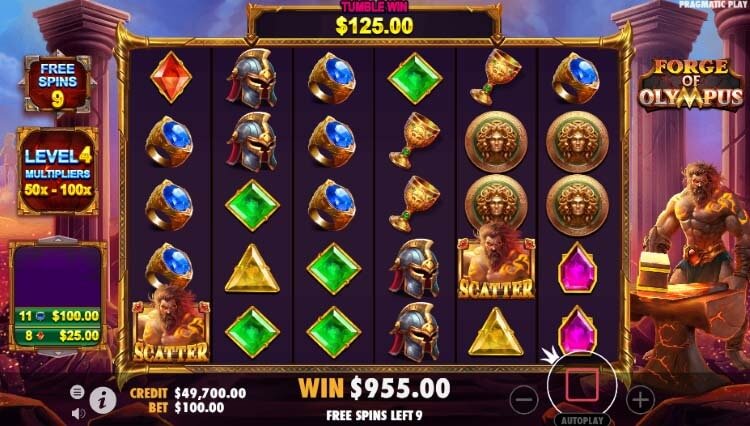
This audio approach is a smart study in psychology. Audio cues affect your emotions and concentration, which keeps you engaged. Think about a cascade sequence. The musical pitch often climbs and its pace accelerates, generating pressure like a racing heartbeat. Then there’s the familiar method: a momentary of absolute silence just before a big win is displayed. That silent pause produces a void of expectation. When the winning fanfare explodes afterward, it becomes more rewarding. These sonic patterns train your brain through encouragement. You start to crave those pleasurable sounds that accompany a win, which renders the experience seem enjoyable and compelling. Done right, as part of a fair game, this emotional aspect converts a basic slot into a compact emotional story. The sound directs you from wonder, through suspense, and eventually to resolution.
Adaptive Sound: Adapting to the Game State
A looped soundtrack gets old fast. Forge of Olympus uses a responsive system where the audio changes based on what’s happening. The soundtrack adjusts. During regular play, the music might keep a stable, waiting rhythm. But get a few scatters or activate a cascade, and the audio changes. The music intensifies, adding more instruments. Sound effects become more pronounced and more layered. The biggest changes happen with a bonus round or a major win. The score often switches to a victory theme, all driving drums and victorious brass. This dynamism builds a strong connection in your brain between action and reward. You start to connect those positive, exciting sounds with success. It makes every win, even a small one, feel more satisfying. The game feels like it’s listening and reacting to you.
The Foley of the Forge: True-to-Life Sound Effects
Melody sets the mood, but sound effects provide the physical feel. The team behind Forge of Olympus searched for and designed sounds that correspond with what you see on screen. This attention on detail is evident in every part of the game.
- Reel Mechanics: Beginning a spin includes a solid, mechanical cranking noise, as if you’re engaging some ancient gear. The reels roll with a smooth, heavy whoosh, and each one comes to rest with a definitive metallic clunk.
- Symbol Interactions: Each symbol type possesses its own sound. A hammer symbol strikes with a hard clang on an anvil. A god symbol might emerge with a shimmering, magical chime. Your ears tell you what appeared before you fully recognize the image.
- UI Feedback: Even the menus click and sweep with sounds that match. Adjusting your bet or opening settings seems part of the forge’s steampunk-meets-mythology style.
This commitment to realistic foley accomplishes something clever. It makes a digital game, an abstract idea, appear solid and responsive under your fingers.
Crafting the Atmosphere: Music and Atmospheric Layers
The atmosphere in Forge of Olympus is created in layers. At its base is that orchestral music, full of strings, brass, and choral hints that tell of old power and mystery. It’s blended to be noticeable but not overpowering, even during a long playing session. On top of this, you hear the forge itself. It’s there in the background: the faint, echoing tap of hammers, the low and constant growl of fire, a gust of wind that might be a god sighing. These sounds are positioned to give the space depth and dimension. Together, the music and ambience do a specific job. They concentrate your mind. They shut out the distractions of your room and transport you into the screen. This soundscape also shapes your mood. It builds a quiet tension as you wait, then gifts you with a blast of heroic fanfare when you win. The result is a session that feels more like an experience.
Contrast and Silence
Great sound design isn’t about filling every second with noise. The smart use of silence and contrast is a vital tool, and Forge of Olympus uses it well. It prevents your ears from getting tired and intensifies the effect of loud passages. The game includes planned breaks where the atmospheric elements fade, giving you a moment of rest. The strongest instance is that “win anticipation” quiet. As the game computes a possible large payout—applying a multiplier or tallying a bonus prize—the audio and background often cease completely. All that’s left is a tense, quiet focus on the screen. Then, as the win is confirmed, the dramatic resurgence of audio is a massive relief. This dynamic contrast, from near quiet to full orchestral burst, is what lends the sound its emotional power. It keeps the sound from becoming a dull backdrop and sustains the dramatic feel.
The Symphony of the Gods: A Sound Philosophy
Forge of Olympus approaches its sound as a tale-weaver. You won’t find generic casino tunes here. Instead, a full orchestral score saturates the air, the kind you’d hear in a film about epic legends. This choice carries weight. It does not merely begin a game; it opens the gates to Hephaestus’s workshop. The music transforms as you play. It keeps a steady, tense rhythm during normal spins, then bursts into soaring crescendos when bonuses trigger. This thinking reaches to every click and clatter in the game. Designers refer to these foley sounds, and they’re made to feel like they belong in the world. The reels turn with a celestial whoosh. Coins fall with a distinct, metallic ring, as if freshly minted in the forge. Because every sound supports the theme, the game seems real. It becomes a place you recall, long after you close your browser tab.